86-13805250552
Yifeng wurde
im Jahr 2005 gegründet.

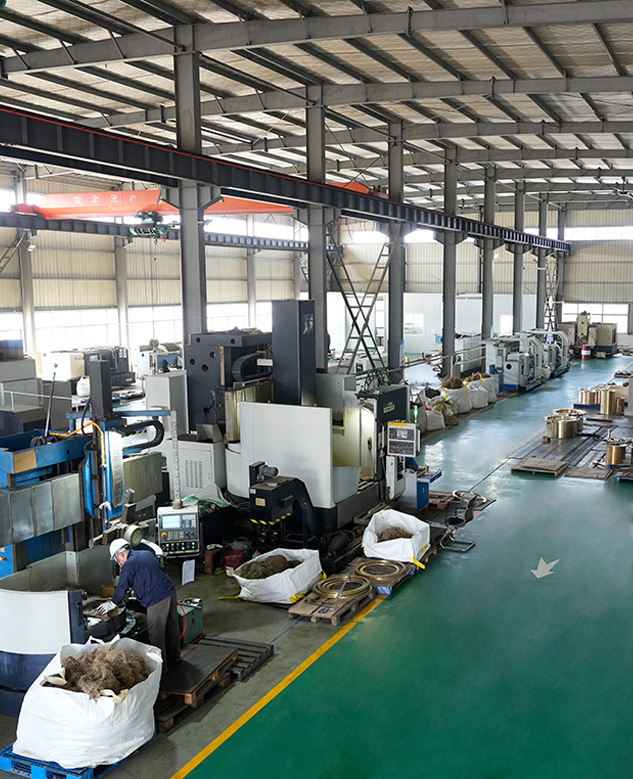
Yangzhou Yifeng Copper Products Co., Ltd. wurde 2005 gegründet und befindet sich in Yangzhou, einer historischen, kulturellen und reichen Stadt, die für ihre wunderschöne Landschaft und ihren bequemen Transport bekannt ist. Das Unternehmen deckt eine Fläche von 30.000 Quadratmetern ab und beschäftigt mehr als 80 Mitarbeiter, darunter 20 technisches Personal und 7 Fachleute mit Zwischentiteln.

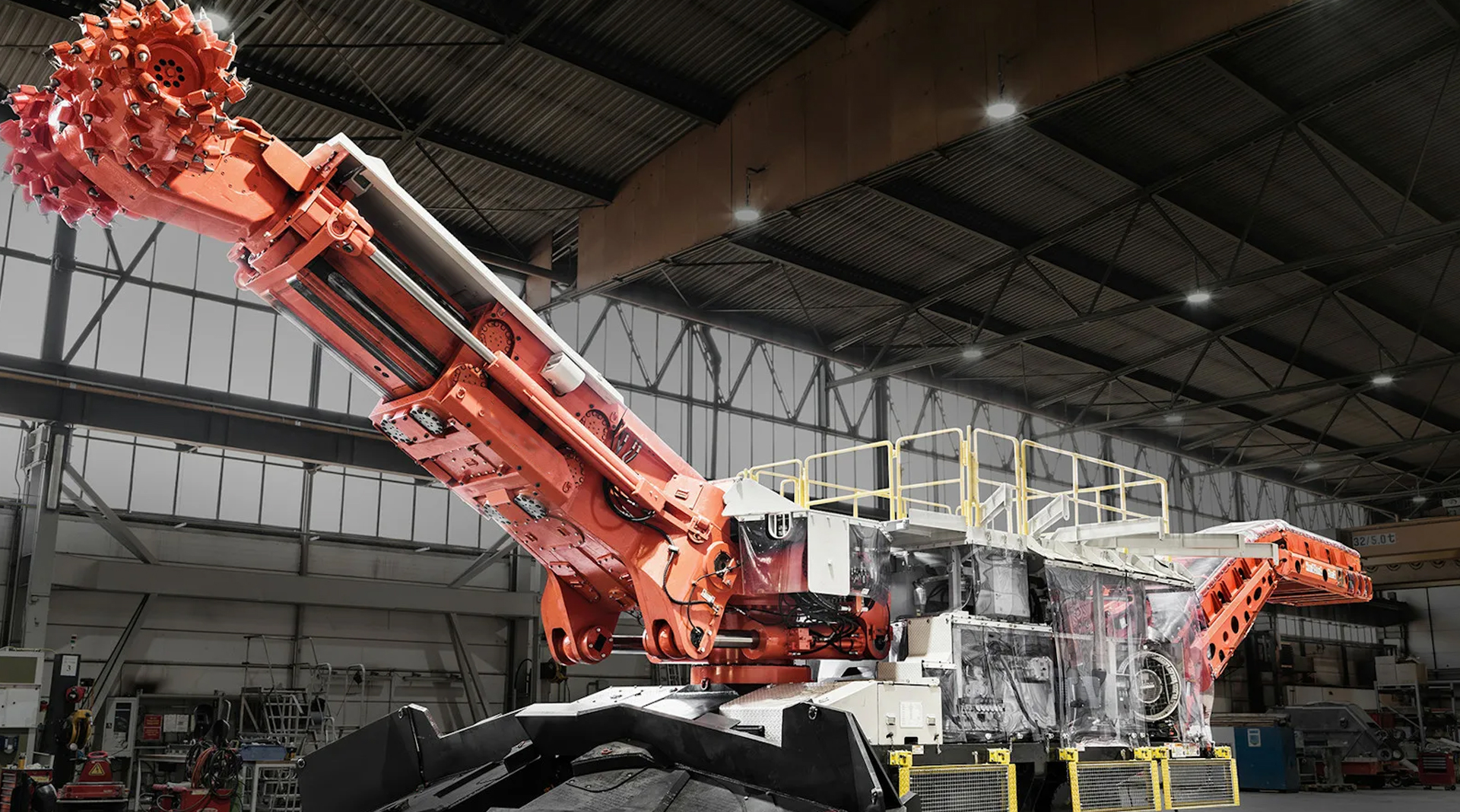
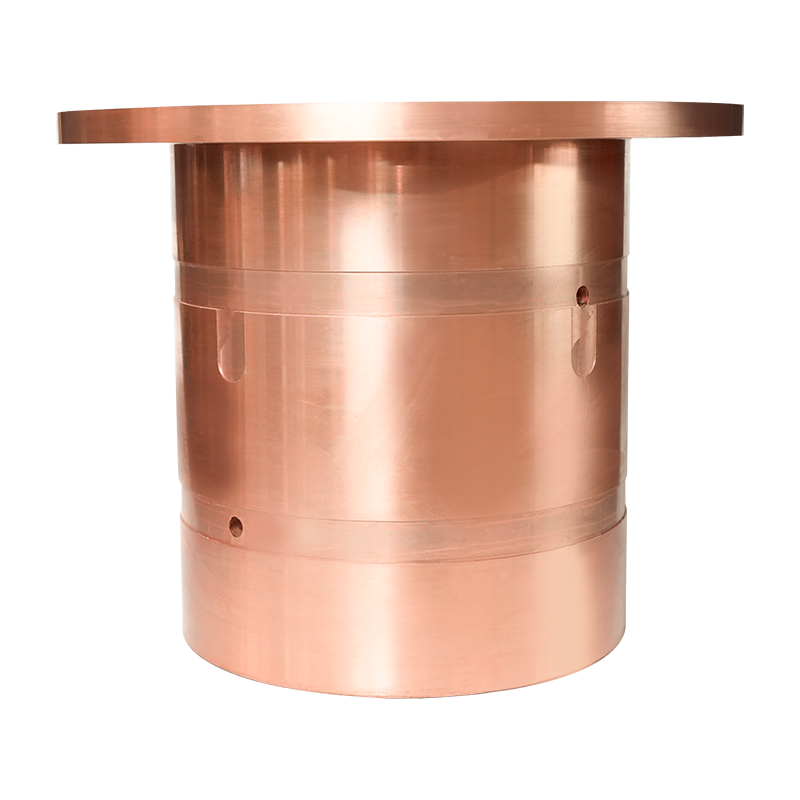
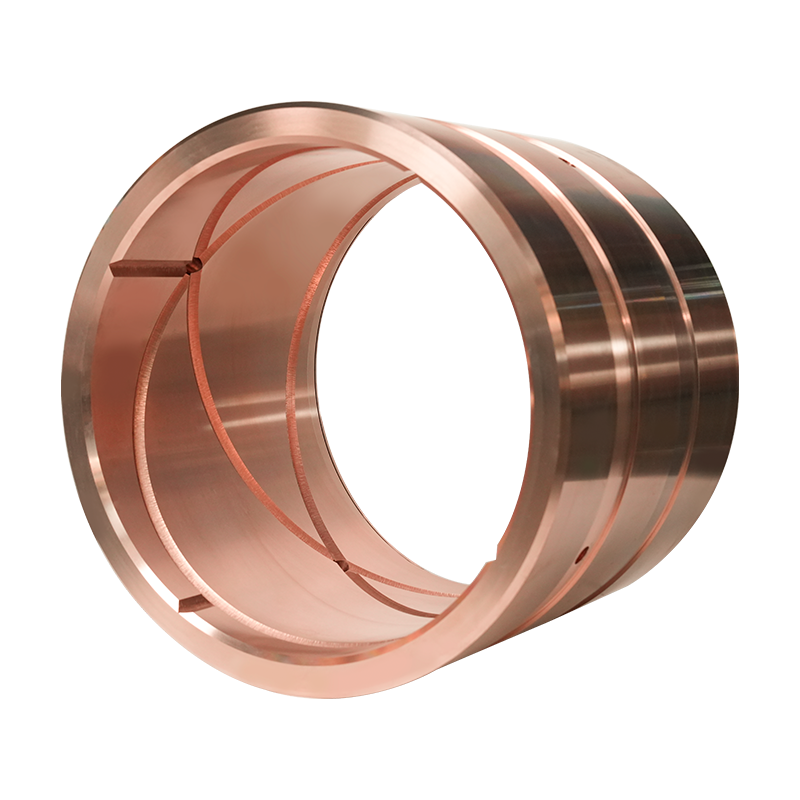
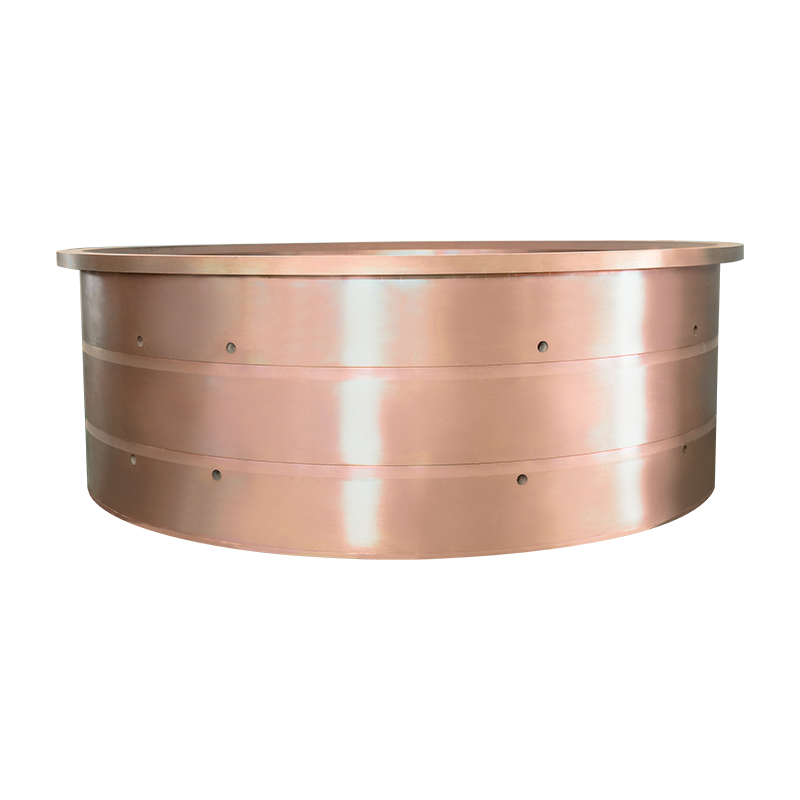
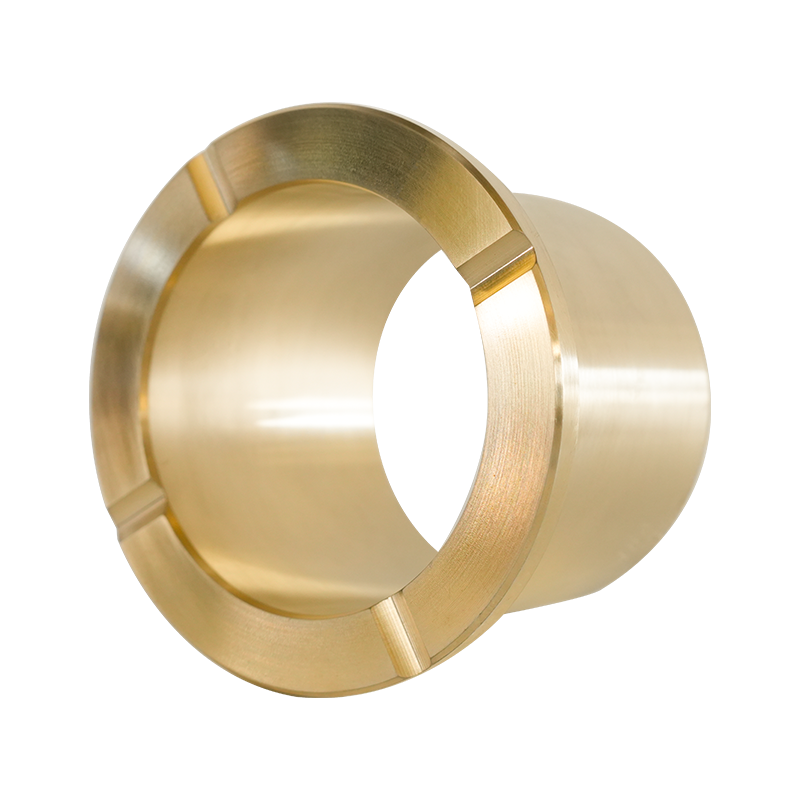
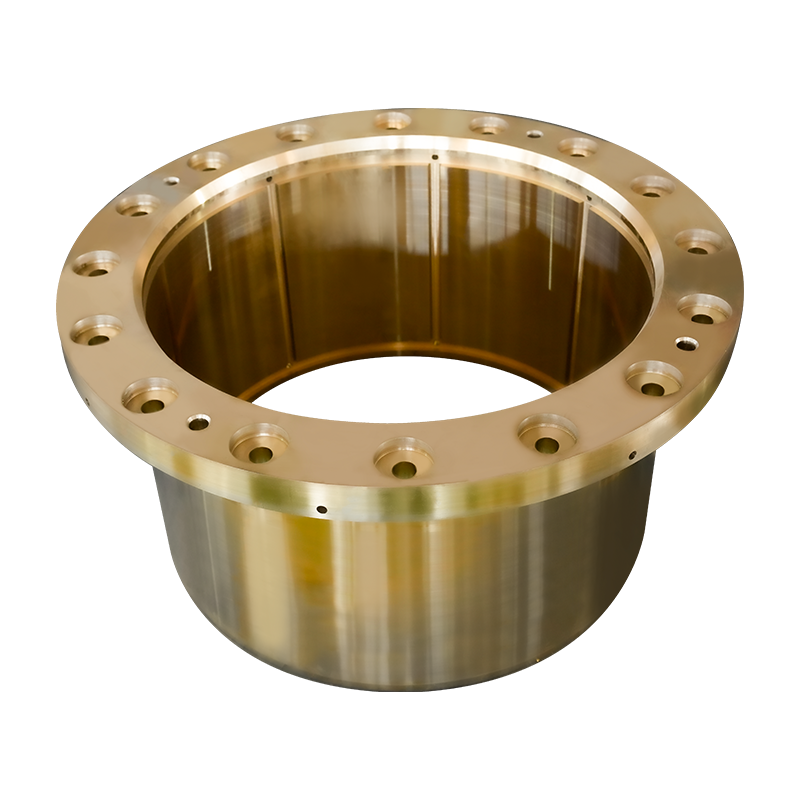
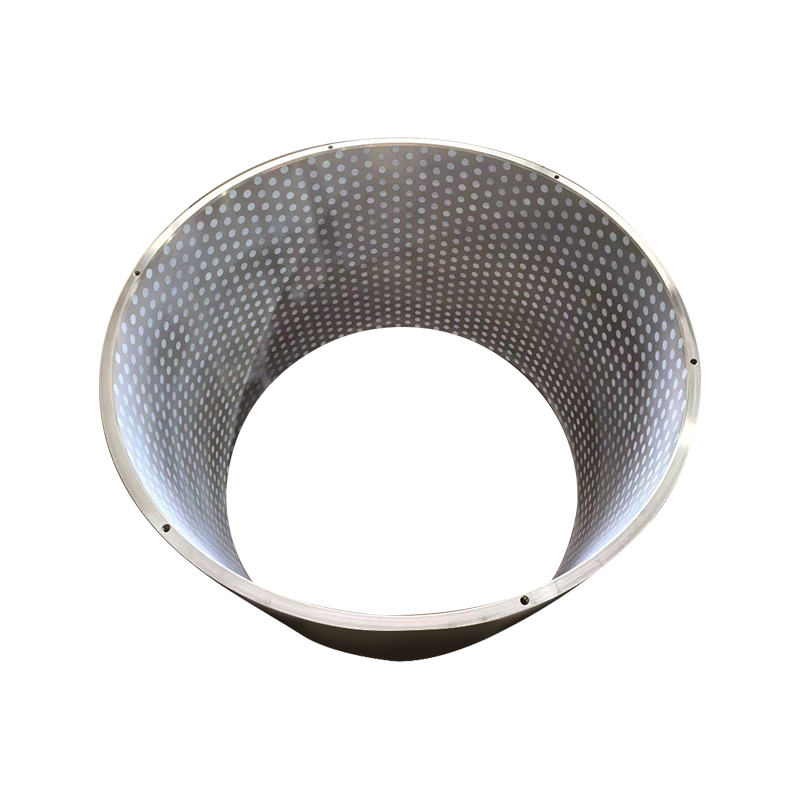
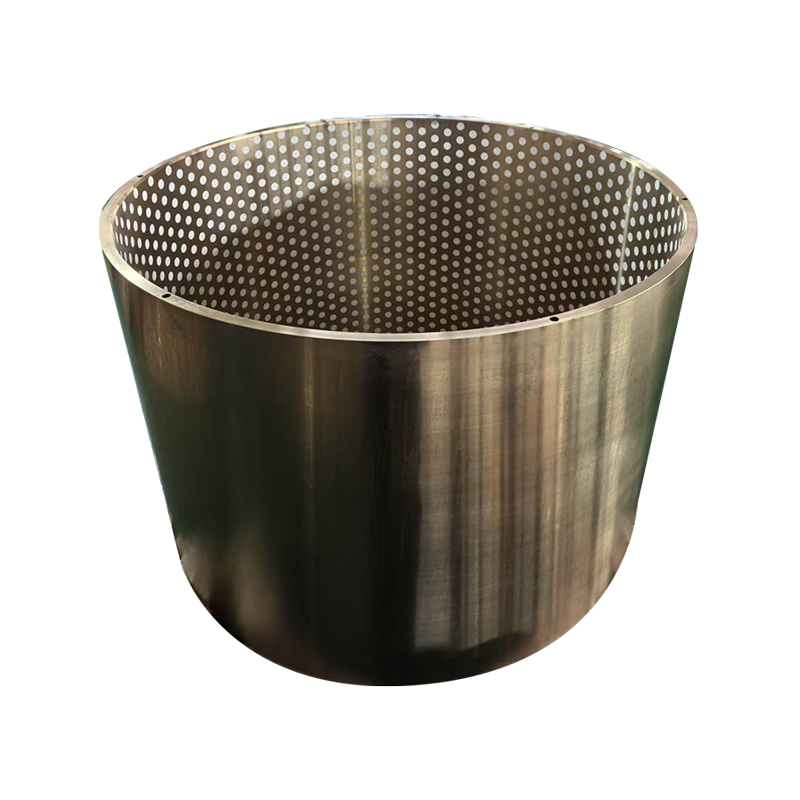
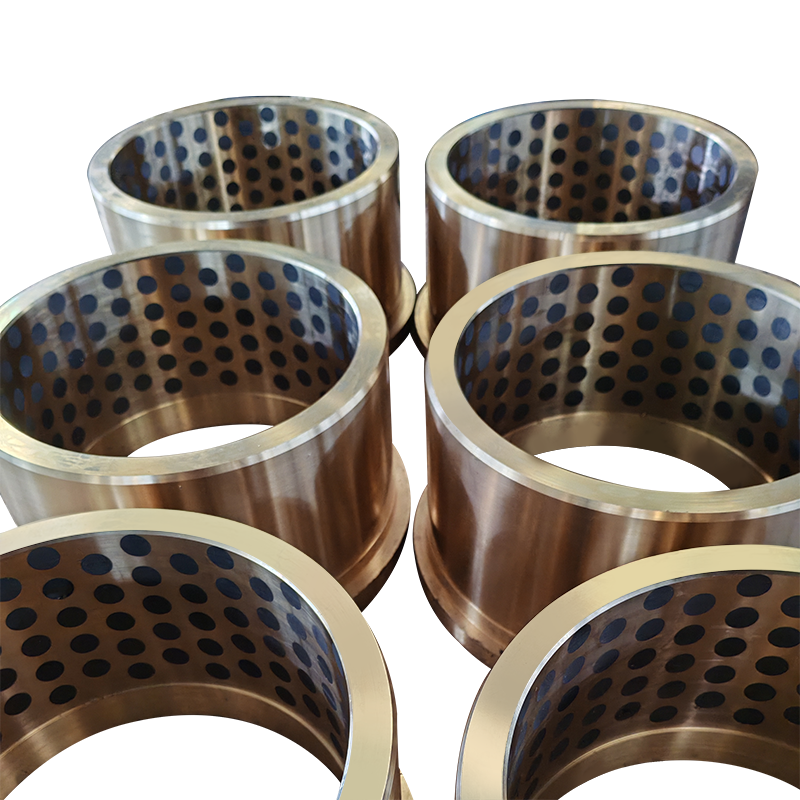
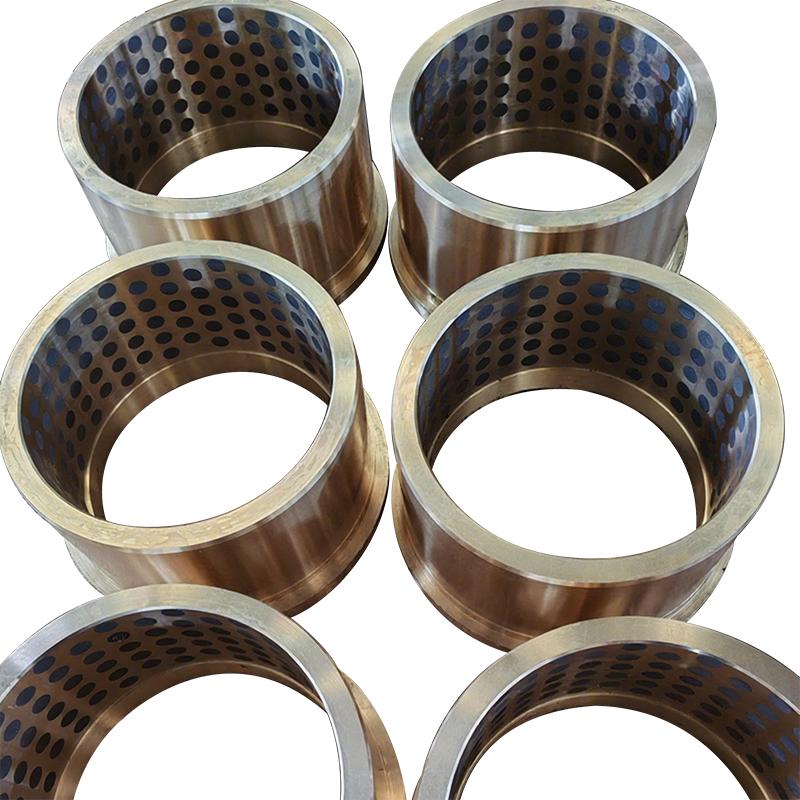
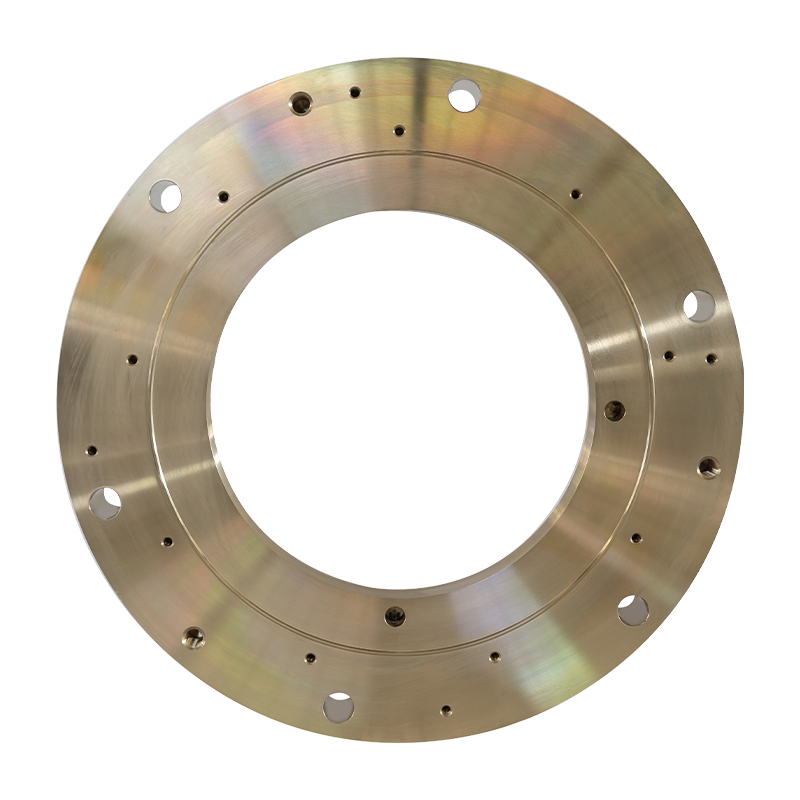
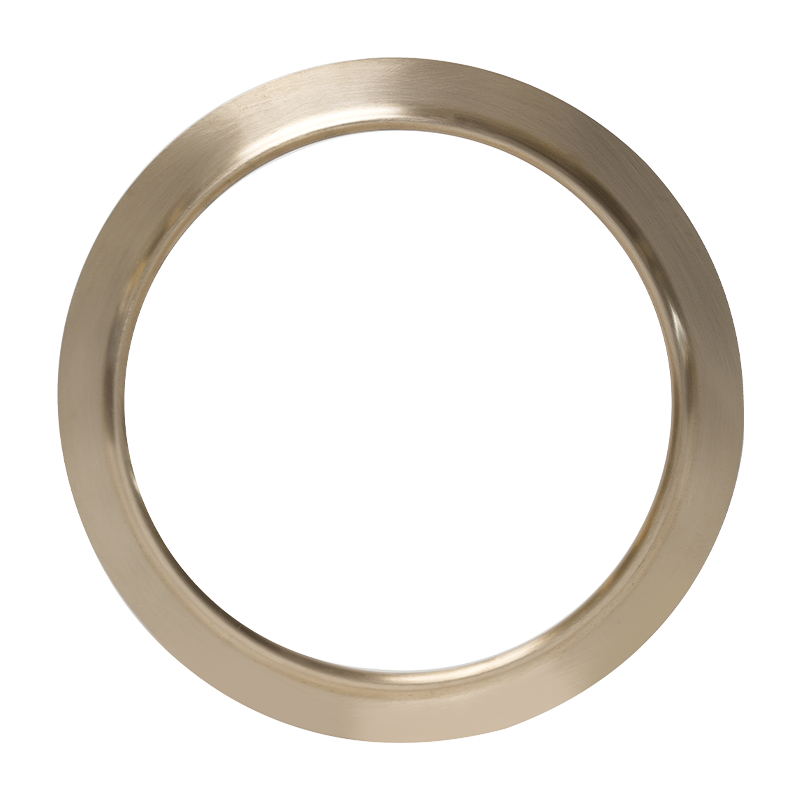
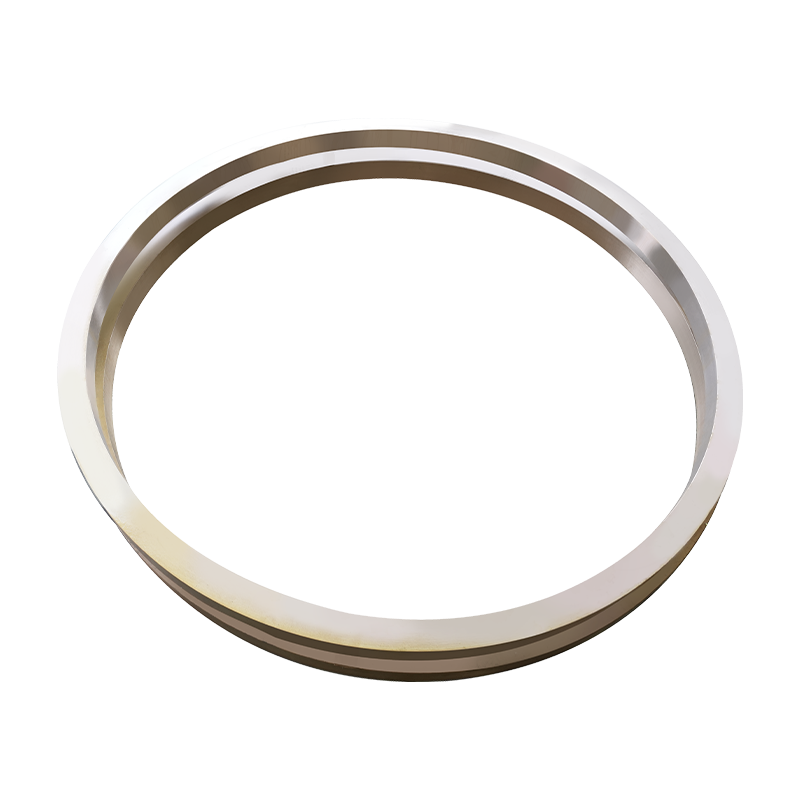
Das Unternehmen ist spezialisiert auf die Herstellung von Hochleistungs-Kupferlegierprodukten, die hauptsächlich in Bergbaugeräten, Meeresantriebs- und Dichtungssystemen, metallurgischen Maschinen, Öl- und Gasausrüstung, Offshore-Bohrplattformen sowie Hubvorrichtungen für Schleusen eingesetzt werden.

Die Produkte werden vor allem für zahlreiche Fortune-500-Unternehmen und weltweit tätige Industriekonzerne geliefert.

Yifeng legt großen Wert auf Innovation und geistiges Eigentum. Das Unternehmen unterhält eine enge F&E-Partnerschaft mit der Southwest Jiaotong University und hat gemeinsam mit ihr die Industrie-Hochschul-Forschung-Kooperationsbasis der Southwest Jiaotong University gegründet, um fortschrittliche Forschung und Produktentwicklung zu fördern.

Mehr über 
Yifeng erfahren
Engagiert für exzellente Lösungen aus Kupferlegierungen
verpflichtet sich Yifeng zu kontinuierlicher Innovation und Spitzenqualität.
  • 0 +
    20 Jahre von
    Branchenerfahrung
  • 0 +
    Mehr als
    80 Mitarbeiter
  • 0
    Fabrik und Unterstützung
    Einrichtungen mit einer Fläche von 30000 m ²
  • 0 Tonnen
    Jährliche Kapazität
    5000 T
Beliebte Produkte
Fortgeschrittene Geräte, intelligente Fertigung-Bereitstellung hochwertiger Kupferlegierungsprodukte

Warum uns wählen?
Yifeng Kupferindustrie
Yifeng ist ein One-Stop-Hersteller – von der Rohmaterialguss bis zum fertigen Endprodukt. Auch in Zukunft werden wir uns weiterhin der Forschung und Entwicklung neuer Produkte sowie der Förderung und Anwendung neuer Materialien und Einsatzbereiche widmen, um unseren Kunden hochwertige Produkte zu bieten.
  • Individuelle
    Lösungen
  • Hohe Qualitätskontrolle
    nach Standards
  • Fortschrittliche
    Produktionsausrüstung
  • Inspektions- und
    Testausrüstung

Engagiert in der Forschung und Herstellung hochwertiger Produkte aus Kupferlegierungen und deren Materialien.

Mehr lesen
Schiffsantriebs- und Versiegelungsgerät
Yifeng -Produkte eignen sich für Schiffsantriebs- und Versiegelungsgeräte. In der Versiegelungsvorrichtung der installierten Wellenhülse und des entsprechenden Versiegelungsrings besteht die Wellen...
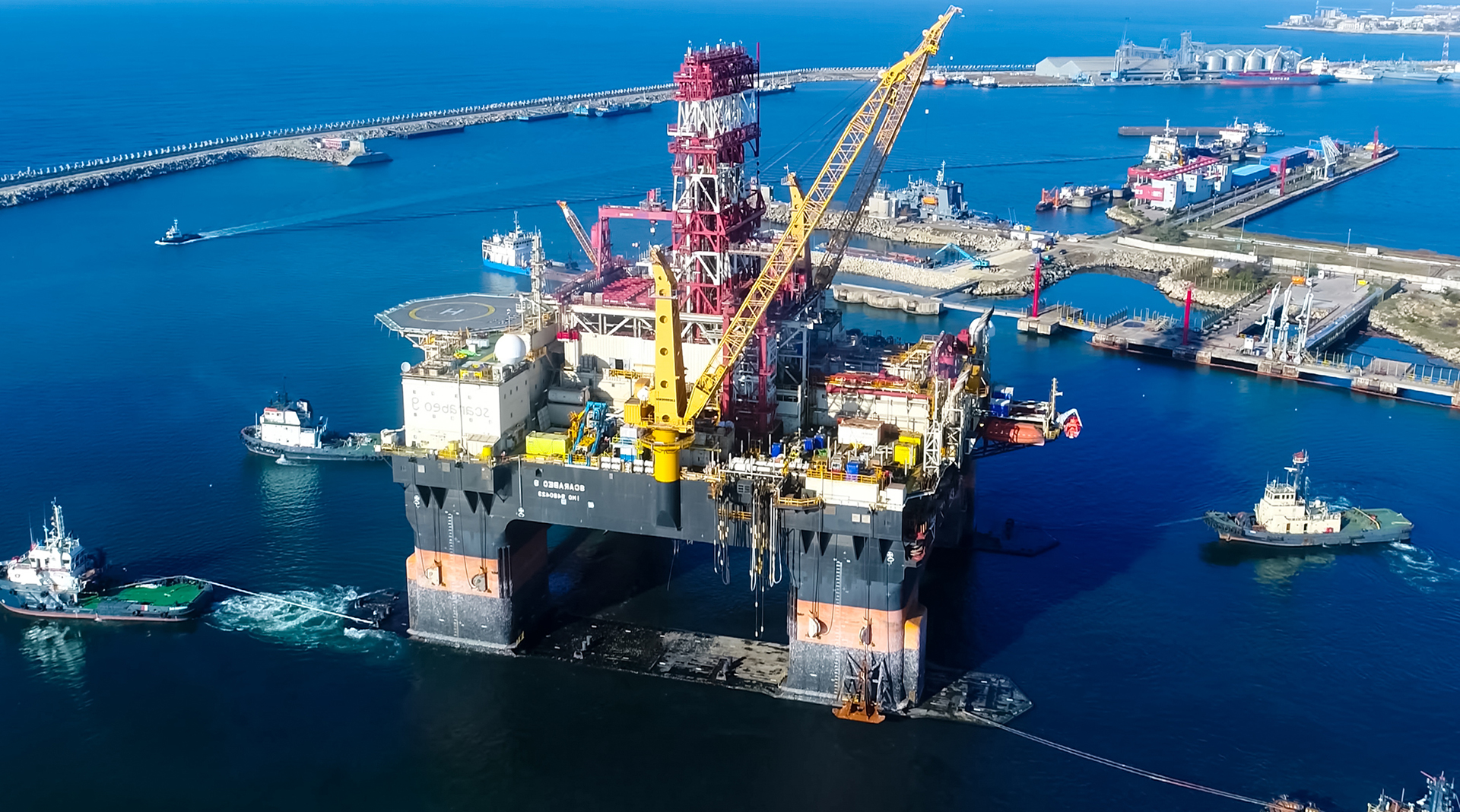
Ozeanbohr- und Schiffsverriegelungshebeausrüstung
Yifeng -Produkte eignen sich für Kupferhülsen und Lager in Marine -Bohr- und Schiffsschlosshebeausrüstung.
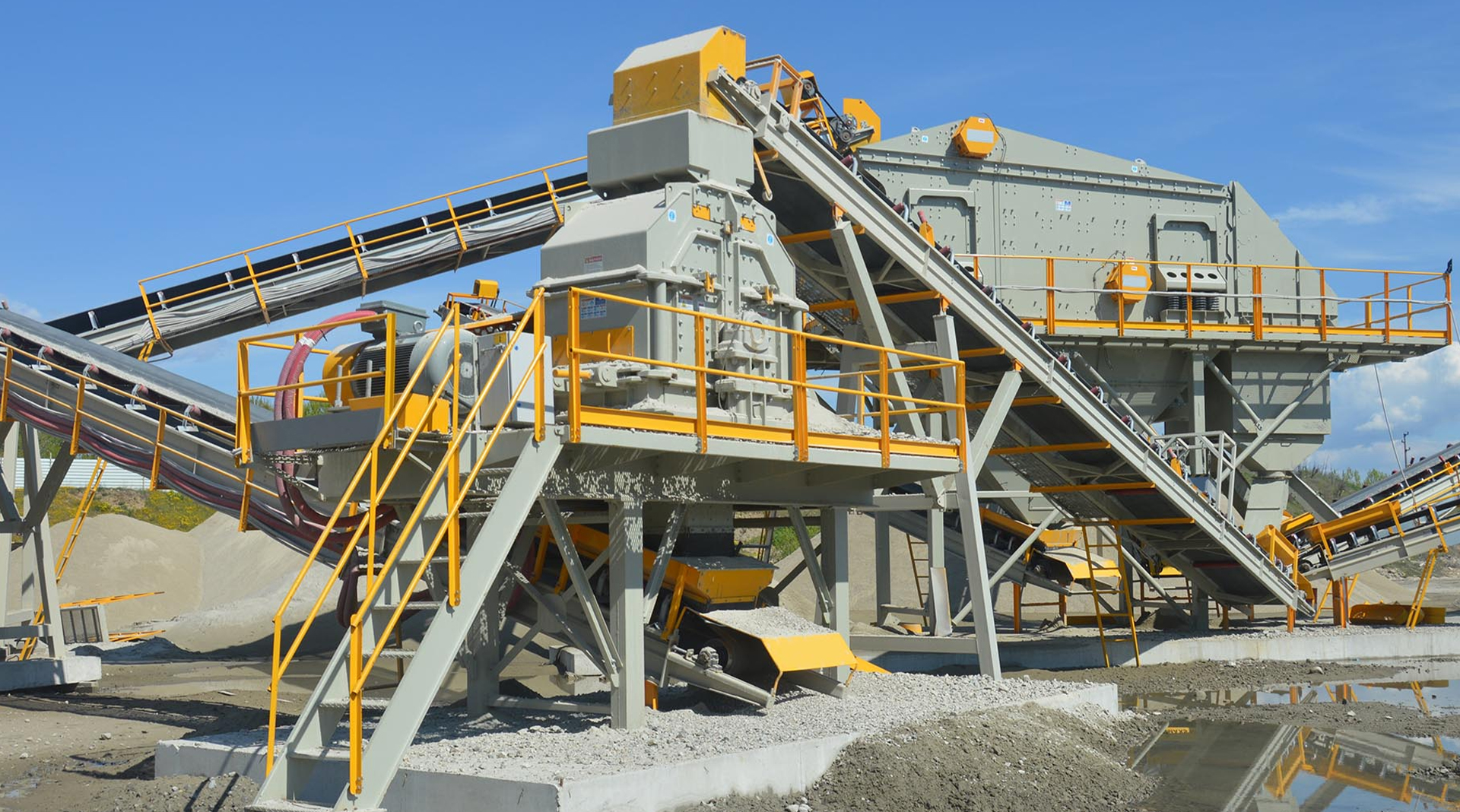
Bergbaugeräte
Yifeng -Produkte eignen sich für verschiedene Felder wie Hauptwellenlager, Müdlerlager, Planetary -Zahnradlager, hintere Ausgangswellenlager, Kupplungslager usw. Bei Bergbaugeräten.
Baumaschinen
Yifeng -Produkte eignen sich für Tunnelmaschinen, technische Geräte, Verschleißfestigkeit und Druckfestigkeit.
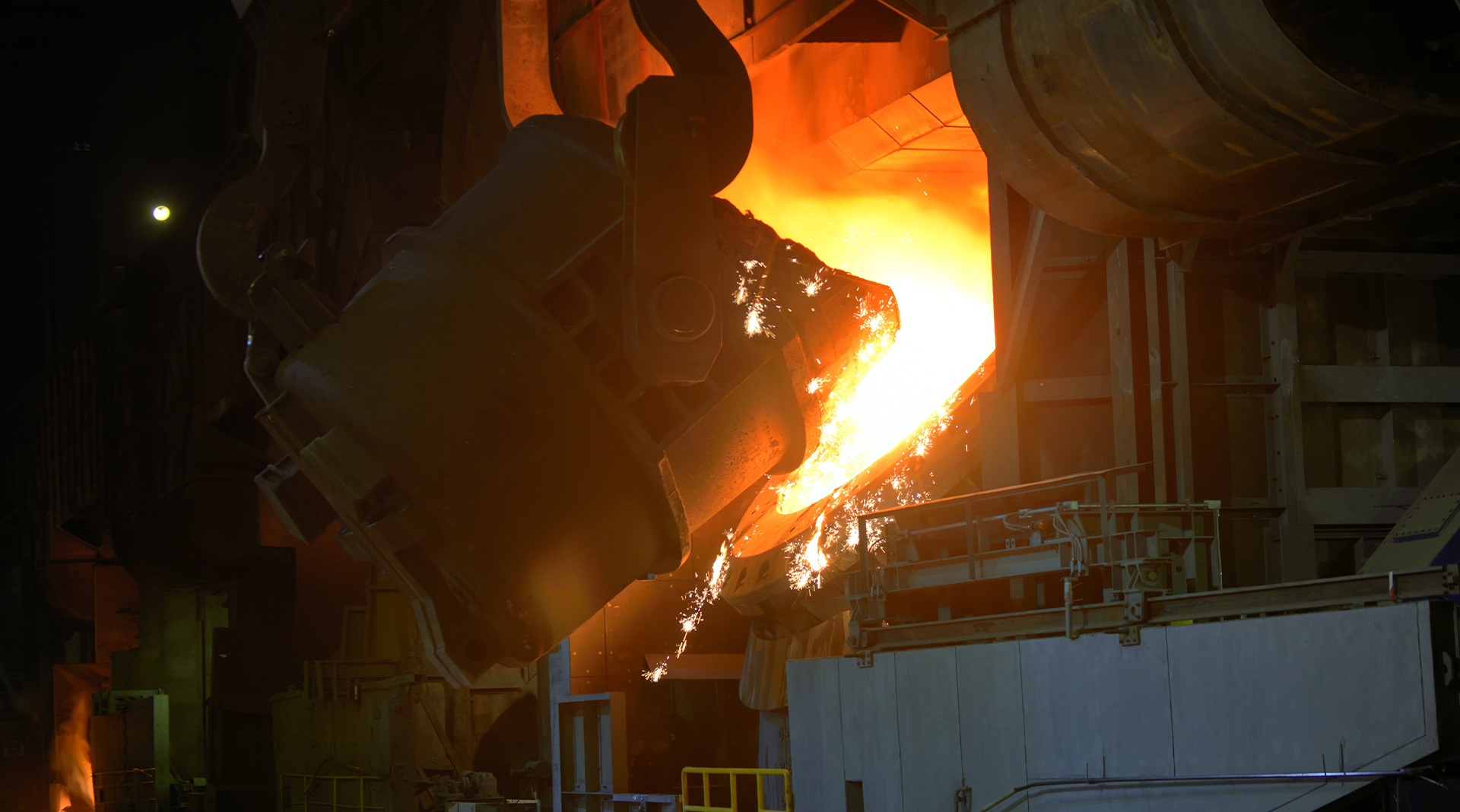
Öl und Gas, metallurgische Ausrüstung
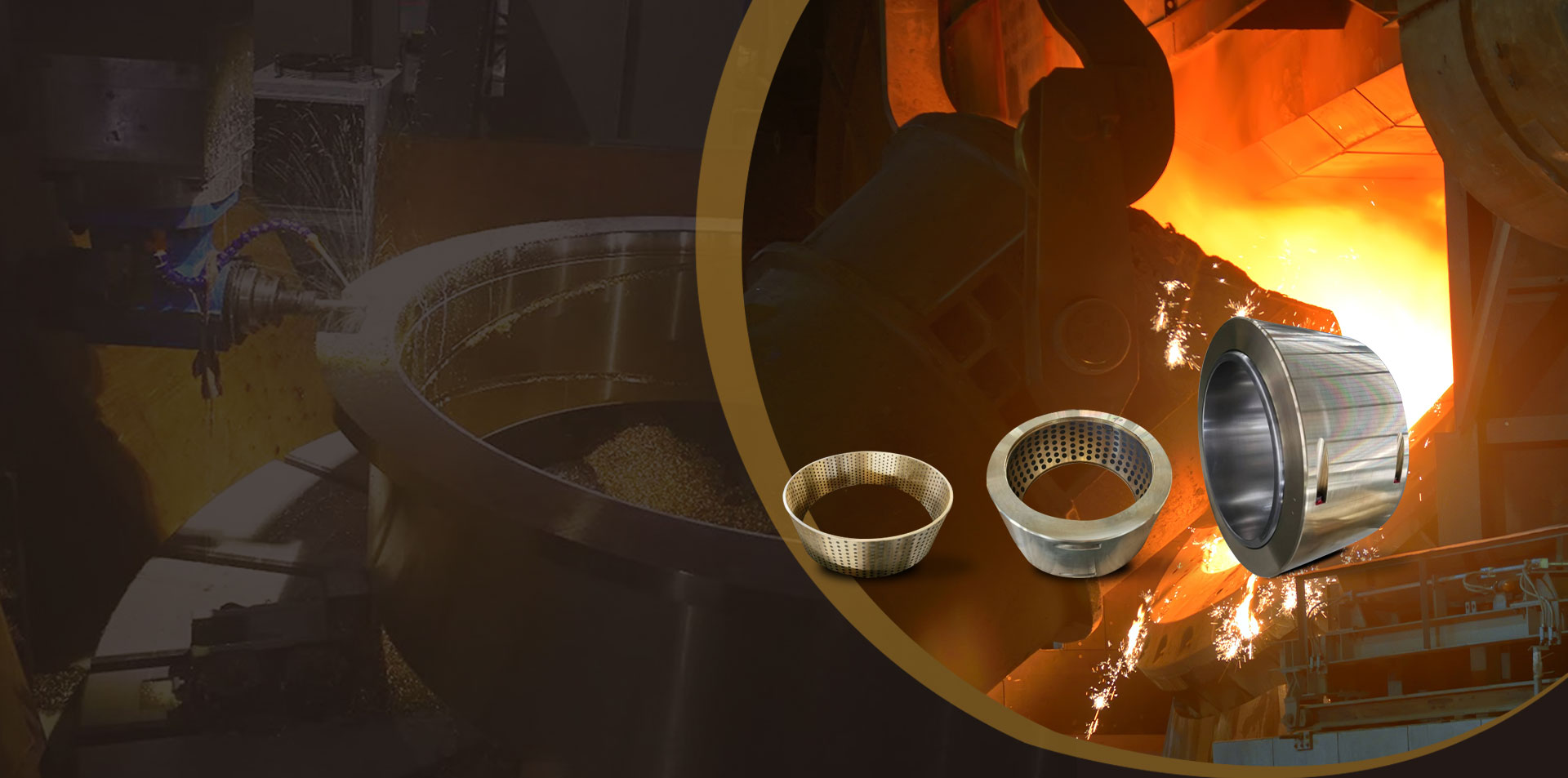
Yifeng -Produkte eignen sich für metallurgische Geräte mit Wellenhülsen und Kupferhülsen, die gegen hohe Temperaturen und Korrosion beständig sind und keine Auftanken oder Wartung benötigen.
  • Schiffsantriebs- und Versiegelungsgerät

    Schiffsantriebs- und Versiegelungsgerät

  • Ozeanbohr- und Schiffsverriegelungshebeausrüstung

    Ozeanbohr- und Schiffsverriegelungshebeausrüstung

  • Bergbaugeräte

    Bergbaugeräte

  • Baumaschinen

    Baumaschinen

  • Öl und Gas, metallurgische Ausrüstung

    Öl und Gas, metallurgische Ausrüstung

Nachrichten & Veranstaltungen
Wir informieren Sie über die neuesten Entwicklungen aus unserem Unternehmen und der Branche.
  • Why is High-Strength Brass Essential for Modern Mining Operations?

    In the heavy-duty world of mineral extraction and processing, the reliability of machinery isn’t just a matter of convenience—it is the difference between a profitable operation and a costly shutdown. As mines push deeper and production targets climb higher, engineers and procurement managers are constantly asking: "What material can actually withstand these extreme pressures?" The answer increasingly points toward specialized alloys. Specifically, the Mining Equipment Brass Plate has emerged as a cornerstone component in the construction and maintenance of high-performance mining machinery. This article explores why this specific material is gaining traction, how it solves common mechanical failures, and why its unique properties make it indispensable for the industry. The Durability Dilemma in Mining Mining environments are arguably the most unforgiving settings for industrial equipment. Machines are subjected to a constant barrage of abrasive dust, corrosive moisture, and immense physical loads. Traditional steel or standard bronze often falls short when exposed to the sheer friction and compressive forces found in crushers, haul trucks, and drilling rigs. When a critical part fails, the "downward spiral" begins: Production Stops: Every minute a conveyor or crusher is idle, thousands of dollars in revenue are lost. Labor Costs Spike: Emergency repairs often require specialized teams and overtime pay. Safety Risks: Frequent maintenance increases the exposure of workers to heavy machinery hazards. To combat these issues, the industry has turned to high-strength brass plates. These aren't your standard decorative brass sheets; they are engineered powerhouses designed to act as the "muscles and joints" of massive mechanical systems. What Makes Mining Equipment Brass Plate Different? The Mining Equipment Brass Plate is manufactured using a high-quality, high-strength brass alloy. But what does "high-strength" actually mean in a practical sense? It refers to a specific chemical composition that balances copper and zinc with reinforcing elements like manganese, aluminum, or iron. 1. Superior Wear Resistance In mining, friction is the enemy. Whether it is a gear turning or a guide plate sliding, surfaces rub against each other constantly. This brass plate is designed with a low coefficient of friction and high hardness. This means that even under constant movement, the material sheds very little mass over time, significantly extending the service life of the component. 2. Exceptional Compressive Strength Mining machinery handles weights measured in tons. A bearing bushing or a hydraulic block must support these loads without deforming or cracking. High-strength brass offers the structural integrity of steel but with the "self-lubricating" and anti-seizing properties of a copper-based alloy. It can take the "squeeze" of a heavy crusher without losing its shape. 3. Corrosion Resistance Mines are often damp, salty, or acidic environments. Standard ferrous metals (like many types of steel) are prone to rust and oxidation, which can seize up moving parts. Brass is naturally resistant to corrosion, ensuring that even if a machine sits idle for a week in a damp tunnel, the parts made from Mining Equipment Brass Plate will remain functional and free of rust. Critical Applications: Where the Material Meets the Dirt The versatility of the Mining Equipment Brass Plate allows it to be machined into various critical components. If you look inside a high-output mine, you will find this material working in several "hot zones": Bearing Bushings Bearings are the heart of any rotating machine. In mining, these bearings are often large and subject to slow, heavy rotations. Brass bushings made from high-strength plates provide a smooth surface for shafts to turn on, reducing heat buildup and preventing the shaft from "galling" or welding itself to the housing. Crusher Wear-Resistant Liners Crushers break down massive rocks into manageable ore. The internal walls of these machines take a beating. Using brass-based wear plates in specific pressure points helps absorb the impact and provides a replaceable surface that protects the main frame of the multi-million dollar machine. Hydraulic Valve Blocks Modern mining relies on hydraulics for steering, lifting, and breaking. Hydraulic valve blocks must be machined with extreme precision. The stability of high-strength brass ensures that these blocks do not warp under the high-pressure pulses of hydraulic fluid, maintaining the safety and responsiveness of the equipment. Gears and Guide Plates In large-scale shovels and excavators, guide plates ensure that moving arms stay in alignment. The natural lubricity of brass allows these plates to slide against steel tracks with minimal wear on either surface. Why "High-Quality" Matters More Than Ever In an era of global supply chains, it is tempting to opt for the cheapest material available. However, in the mining sector, "cheap" brass can be a dangerous gamble. Low-quality alloys often contain impurities or inconsistent grain structures that can lead to "brittle failure." Imagine a bearing bushing in a deep-shaft hoist. If that bushing cracks due to poor material quality, it doesn't just stop production—it creates a catastrophic safety risk. This is why the industry emphasizes "high-quality" high-strength brass. The manufacturing process involves strict temperature control and precise alloying to ensure that every square inch of the plate has the same mechanical properties. Impact on Maintenance Cycles and ROI The ultimate question for any mining operation is the Return on Investment (ROI). While a Mining Equipment Brass Plate might have a higher upfront cost than standard materials, the long-term savings are undeniable. Extended Intervals: Instead of replacing a part every three months, high-strength brass might extend that interval to twelve months. Reduced Secondary Damage: Because brass is often "softer" than the steel shafts it protects, it acts as a sacrificial layer. It is much cheaper to replace a brass bushing than to replace a custom-forged steel drive shaft. Predictability: High-quality materials fail gradually rather than suddenly. This allows maintenance teams to plan repairs during scheduled downtime rather than reacting to an emergency mid-shift. Looking to the Future: Sustainability in Mining Interestingly, the shift toward brass plates also aligns with modern sustainability goals. Copper and brass are among the most recyclable materials on earth. When a Mining Equipment Brass Plate finally reaches the end of its long life, it can be melted down and recycled into a new component with almost no loss in quality. This reduces the environmental footprint of the mine’s supply chain. Furthermore, by reducing the frequency of part replacements, mines generate less industrial waste and consume less energy that would otherwise be used in the manufacturing and shipping of frequent replacement parts. Conclusion: The Backbone of Hard Rock Mining The mining industry is evolving. Digitalization and automation are making mines smarter, but the physical reality of the work remains the same: it is a battle against friction, pressure, and the elements. The Mining Equipment Brass Plate represents the perfect marriage of traditional metallurgy and modern engineering. By providing a material that can withstand the high-load and high-wear conditions of the world’s toughest job sites, it ensures that the "gears of industry" keep turning—literally and figuratively. Whether it is in the form of a gear, a guide plate, or a crusher liner, this high-strength material is proving that sometimes, the best way to handle the future of mining is to rely on the proven, rugged reliability of high-quality brass.
    Mehr lesen
  • Why Are Mining Equipment Brass Bushings the Secret to Reducing Downtime?

    In the heavy-duty world of mineral extraction and processing, the smallest components often carry the heaviest burdens. From the massive jaws of a stone crusher to the relentless pull of a mile-long conveyor belt, mining operations rely on a delicate balance of power and precision. Lately, industry experts and maintenance managers have been asking one central question: How can we extend the life of our heavy machinery without skyrocketing our maintenance budgets? The answer frequently leads back to a critical, albeit humble, component: the Mining Equipment Brass Bushing. While it might not have the visual flash of a giant excavator or the high-tech appeal of automated drilling software, this specific hardware is currently revolutionizing how mining sites manage wear and tear. The Invisible Backbone of the Mine Site To understand why people are talking about brass bushings, we first have to understand the environment they live in. A mine is a hostile place for machinery. It is filled with abrasive dust, extreme pressure, and constant vibration. In these conditions, moving parts don't just "wear out"—they can fail catastrophically if not protected. A bushing acts as a sacrificial interface between two moving parts. Instead of having two expensive steel shafts grinding against each other, a brass bushing is placed between them. It takes the brunt of the friction, absorbs the heat, and ensures that the "big" parts of the machine remain undamaged. Why Brass? You might wonder why we use brass instead of something like steel or plastic. The "Mining Equipment Brass Bushing" is engineered specifically for high-load and high-wear conditions. Brass offers a unique combination of physical properties: Low Friction: It naturally slides better against steel than steel does against itself. Heat Dissipation: It moves heat away from the joint quickly, preventing seizing. High Strength: Unlike softer metals, high-quality brass can withstand thousands of pounds of pressure without deforming. Addressing the Common Questions As mining companies look to optimize their supply chains, several frequently asked questions have emerged regarding these components. Let’s break down the most common inquiries that are driving the current market trends. 1. Can These Bushings Handle "Shock Loads"? One of the most frequent questions from crusher operators is whether a brass bushing can survive a "shock load"—that moment when a massive, unbreakable rock enters the crusher and sends a jolt through the entire system. Because these bushings are made of high-strength brass materials, they possess a degree of resilience that brittle materials lack. They act as a cushion. While a ceramic or hardened steel sleeve might crack under a sudden impact, a brass bushing has the structural integrity to absorb the energy and keep the shaft spinning. 2. How Do They Improve Equipment Life? Maintenance leads often ask, "Will switching to a premium brass bushing actually save me money over a year?" The answer lies in stability. When a bushing starts to wear unevenly, it creates "play" or "slop" in the machinery. This vibration then travels down the line, damaging seals, gears, and motors. By using a bushing specifically designed for pressure resistance, the equipment stays in perfect alignment for longer. This doesn't just save the bushing; it saves the entire machine. Applications Across the Mining Lifecycle The versatility of the Mining Equipment Brass Bushing is why it is found in almost every stage of the mining process. Here is where these components are making the biggest impact today: Crushers and Pulverizers In the crushing stage, equipment operates at low to medium speeds but under immense weight. The pressure resistance of high-quality brass is essential here. Whether it’s a jaw crusher, a cone crusher, or a gyratory crusher, the bushings ensure that the eccentric shafts can rotate smoothly under the weight of several tons of ore. Conveyor Systems Conveyors are the veins of a mine, moving material 24/7. The rollers and pulleys in these systems are prone to friction loss. By utilizing brass sleeves, companies can reduce the energy required to move the belts, leading to lower electricity costs and fewer belt snaps caused by "frozen" rollers. Mineral Processing Equipment Once the ore is crushed, it goes into vibrating screens and flotation cells. These machines operate in wet, often chemically harsh environments. The corrosion resistance of brass makes it an ideal choice for these scenarios, ensuring that the bushings don't rust or seize up when exposed to moisture. The Economic Impact of High-Quality Materials In the current global economy, the "cheapest" part is rarely the most cost-effective. Mining companies are moving away from generic hardware in favor of specialized components. Feature Impact on Operations Long-term Benefit High Strength Supports heavier ore loads Increases daily throughput Wear Resistance Fewer replacement intervals Reduced labor costs Pressure Resistance Maintains alignment Prevents catastrophic engine/motor failure Reduced Friction Lower heat generation Saves on lubricant and energy Reducing Friction Loss Friction is the silent thief of the mining industry. It consumes fuel, generates heat that destroys lubricants, and thins out metal components. The "specially designed" nature of these brass bushings focuses on minimizing this loss. When friction is reduced, the motor doesn't have to work as hard, which significantly improves the operation stability of the entire plant. What Should You Look For? If you are a procurement officer or a site engineer, what should you look for in a Mining Equipment Brass Bushing? First, look for material purity. Low-grade brass often contains impurities that can lead to "soft spots" in the bushing, causing it to fail prematurely. High-quality brass should have a uniform grain structure. Second, consider the load rating. Not all brass is created equal. For mining, you need a material that is rated for "heavy-load operation." This means the alloy has been specifically balanced to provide both the hardness needed to resist wear and the ductility needed to handle pressure. The Future of Mining Maintenance As we move toward "Mining 4.0," where sensors monitor every move a machine makes, the data is confirming what old-school mechanics have known for decades: the quality of your wear parts determines the success of your season. Modern sensors can now detect the exact moment a bushing begins to thin out. By using high-end Mining Equipment Brass Bushings, operators are finding that their "alert logs" are much quieter. The equipment runs smoother, stays cooler, and requires fewer emergency shutdowns. Conclusion: A Small Investment for a Massive Return The conversation around mining efficiency is changing. It is no longer just about the size of the truck or the power of the drill; it’s about the reliability of the joints that hold them together. By choosing components designed for the specific rigors of the industry—high strength, pressure resistance, and low-speed heavy-load capability—mining operations are securing their future. The Mining Equipment Brass Bushing is more than just a piece of metal; it is a safeguard for your most expensive assets. In an industry where every minute of downtime costs thousands of dollars, can you afford to use anything less than the best?
    Mehr lesen
  • Why is Tin Bronze the Go-To Material for Heavy-Duty Mining Equipment?

    In the demanding world of industrial mining, the difference between a productive day and an expensive breakdown often comes down to the smallest components. Among the most discussed parts in maintenance shops and engineering offices today is the Tin Bronze Bushing For Mining Equipment. As mining operations push deeper and machines get larger, the industry is increasingly asking:What makes tin bronze so special, and why can’t we just use standard steel or cheaper alloys?To understand the buzz, we have to look at the unique science and practical benefits of this specific material choice. The Heart of the Machine: Understanding the Bushing At its simplest, a bushing is a type of bearing—a sleeve that lines a hole to allow a shaft to rotate or slide with minimal friction. In a mining environment, these bushings are found in rock crushers, excavators, heavy-duty trucks, and drilling rigs. Mining equipment operates under some of the most brutal conditions on earth. Machines are subjected to massive loads, abrasive dust, extreme temperatures, and corrosive moisture. If a bushing fails, the metal-on-metal contact can destroy a shaft worth tens of thousands of dollars and halt production for days. This is where the Tin Bronze Bushing For Mining Equipment steps in as a critical safeguard. What is it Made Of? The secret lies in the recipe. These bushings use high-purity copper as the foundation. Pure copper is excellent for conducting heat, but it is too soft for heavy industrial use. By adding tin and other high-quality alloy elements, manufacturers create a material that retains copper’s thermal properties but gains incredible hardness and durability. The Triple Threat: Wear, Corrosion, and Friction When engineers discuss why they prefer tin bronze for mining, they usually focus on three key performance areas: 1. Exceptional Wear Resistance Mining involves moving tons of earth and rock. This creates constant vibration and high-pressure loads on every joint of a machine. Tin bronze is naturally "tough." It doesn't deform easily under pressure, and its grain structure is designed to withstand the grinding force of continuous rotation. Unlike cheaper materials that might flake or "gall" (where metal surfaces weld together under heat), tin bronze maintains a smooth interface. 2. Built-in Corrosion Resistance Mines are rarely dry or clean. Whether it’s underground moisture, acidic run-off, or chemical exposure in processing plants, metal components are under constant attack from rust and oxidation. High-tin bronze alloys are naturally resistant to these elements. This means the bushing won't seize up or become brittle over time, even if the machine is parked in a damp environment during a shift change. 3. Self-Lubricating Properties This is perhaps the most "magical" aspect of the material. In many tin bronze alloys, the microscopic structure allows for a level of self-lubrication. While regular greasing is still recommended, these bushings can handle "boundary lubrication" scenarios—moments where the grease film might break down or get squeezed out by a heavy load. The bronze itself acts as a sacrificial, low-friction surface that prevents the shaft from seizing. High-Load and High-Speed: The Mining Standard One of the most frequent questions from procurement managers is:"Can this handle our specific speed and load requirements?" In modern mining, machines are being asked to do more in less time. High-speed rotation generates immense heat. If a bushing cannot dissipate that heat, it will expand, cause friction, and eventually melt or break. Because the Tin Bronze Bushing For Mining Equipment is copper-based, it is a superior thermal conductor. It pulls heat away from the rotating shaft and dissipates it through the housing, keeping the entire assembly at a stable operating temperature. Furthermore, the "high-load" capability refers to the bushing's ability to support the weight of massive mechanical arms or crushing plates without flattening. The addition of tin creates a crystalline structure that can support thousands of pounds of pressure per square inch. Why Maintenance Teams Prefer Tin Bronze If you talk to the technicians who spend their days in the "grease pits" of a mine, their appreciation for tin bronze is purely practical. Predictability: Tin bronze wears down slowly and predictably. This allows maintenance teams to schedule replacements during planned downtime rather than dealing with a catastrophic, unexpected snap. Protection of Expensive Parts: It is much cheaper to replace a bronze bushing than it is to replace a hardened steel drive shaft. The bushing acts as the "protector," taking the wear so the more expensive components don't have to. Ease of Fitment: Tin bronze has excellent machinability. This means that when a bushing needs to be custom-fitted or pressed into a housing, it behaves consistently, leading to fewer errors during the repair process. Comparing the Alternatives: Why Not Steel or Plastic? It’s a fair question. Steel is cheaper and harder, and some modern plastics (polymers) are incredibly slick. However, in the mining sector, both have significant drawbacks. Material Pros Cons in Mining Steel Very cheap, high strength. Tends to "seize" to the shaft; requires constant lubrication; rusts easily. Polymers No corrosion; very light. Cannot handle high heat; may crack under extreme impact or "shock" loads. Tin Bronze Optimal balance of strength, heat dissipation, and low friction. Higher initial material cost (but lower long-term cost). While the initial price of a tin bronze component might be higher than a steel equivalent, the Total Cost of Ownership (TCO) is significantly lower. When you factor in fewer replacements, less grease consumption, and the prevention of major equipment failure, the bronze pays for itself within months. The Future of Mining Components As we look toward 2026 and beyond, the mining industry is moving toward "Smart Mining" and autonomous vehicles. These machines often run 24/7 without a human operator to "feel" if a bearing is getting hot. This makes the reliability of the material even more critical. The Tin Bronze Bushing For Mining Equipment is evolving too. Manufacturers are now using even higher purity base materials and precision centrifugal casting methods to ensure there are no air bubbles or impurities in the metal. This ensures that every millimeter of the bushing is as strong as the last. Environmental Impact There is also a growing conversation about sustainability. Copper and tin are highly recyclable. Unlike some composite materials that end up in landfills, old bronze bushings can be melted down and repurposed, fitting into the "circular economy" goals of many global mining conglomerates. Conclusion: A Small Part with a Big Job It is easy to overlook a simple metal sleeve when looking at a three-story-tall excavator. However, that sleeve is what allows the giant to move. By choosing high-purity copper and tin alloys, mining operations are choosing to protect their most valuable assets. The Tin Bronze Bushing For Mining Equipment isn't just a piece of hardware; it is an insurance policy against friction, heat, and downtime. As the industry continues to ask for more power and higher efficiency, this "old-fashioned" alloy—perfected with modern refining techniques—remains the gold standard for heavy-duty performance. If your operation is facing frequent bearing failures or you are looking to extend the service life of your fleet, it might be time to look past the surface and invest in the metallurgical superior choice.
    Mehr lesen
  • What are the precautions for installing Marine Copper Alloy Sealing Rings?

    Precautions for Installing Marine Copper Alloy Sealing Rings Under high pressure, high temperature, and high-speed working conditions, the installation quality of the sealing ring directly determines the sealing performance of valves, pump casings, and hydraulic systems. The following are professional installation suggestions based on high-quality marine copper alloy sealing rings from Yangzhou Yifeng Copper Products Co., Ltd.: 1. Inspection and Preparation: Ensure the basic environment meets the requirements Before installing the sealing ring, the supporting equipment must be carefully inspected to ensure the overall safety of the sealing system. Thoroughly clean the mating surfaces: The sealing ring will be directly pressed against the mating surface of the valve seat or pump casing. Before installation, use a fiber-free degreaser or compressed air to thoroughly remove oil, dust, and metal shavings to prevent particulate matter from getting stuck between the sealing ring and the workpiece, leading to sealing failure.Check the equipment condition: Ensure that the mating surfaces of the valve or pump casing have no cracks, corrosion, or obvious scratches. If severe wear is found, it is recommended to repair or replace the damaged parts first to match the use of high-performance sealing rings.Confirm the fit accuracy: Marine copper alloy sealing rings have high requirements for fitting dimensions. Before installation, use calipers or an inner diameter gauge to check the fit clearance between the mating hole diameter and the inner diameter of the sealing ring to ensure it is within the specified range, so as to utilize its compressive strength advantages. 2. Installation Position and Direction: Ensure the sealing ring is correctly positioned Correct positioning is key to achieving "effective prevention of media leakage". Identify directionality: Some Marine Copper Alloy Sealing Rings are designed with a unidirectional guiding structure, especially in high-pressure environments. During installation, it is necessary to confirm that the opening direction or groove direction of the sealing ring is consistent with the equipment requirements. Incorrect direction may lead to sealing failure.Align the central axis: The sealing ring must be kept concentrically aligned to prevent misalignment. Misaligned installation will cause excessive compression on one side and too much clearance on the other, affecting its "compressive strength" and wear resistance, leading to leakage or premature wear.Avoid uneven force: During installation, avoid excessive force or impact. The sealing ring should be gently pushed into place using a special tool or by hand, ensuring even pressure distribution and maintaining its complete structural shape. 3. Lubrication and Tightening: Balancing Sealing Performance and Wear Life To maintain the long-term stable operation of the Marine Copper Alloy Sealing Ring, the following details should be noted: Appropriate Lubrication: Before installation, select a suitable lubricant based on the type of medium (such as water, oil, or special chemical liquids). The lubricant not only reduces friction during installation but also reduces heat generation during initial operation, protecting the sealing ring material from premature corrosion.Reasonable Pre-tightening Force: When tightening bolts or flanges, the pre-tightening force needs to be controlled. Excessive pre-tightening force will cause the sealing ring to be over-compressed and lose its elasticity; while insufficient pre-tightening force will not generate enough sealing pressure. It is recommended to use a torque wrench and set reasonable tightening parameters according to the sealing ring's "compression strength" index.Maintain Temperature Stability: After the sealing ring is compressed, it is recommended to slowly increase the pressure or temperature to avoid rapid expansion or contraction of the material due to sudden temperature changes. For high-temperature conditions, the "wear resistance" characteristics of the sealing ring are more important, but the heating rate still needs to be controlled.
    Mehr lesen
  • Welche Oberflächenbehandlungsmethoden gibt es für Kupferplatten?

    Oberflächenbehandlungsmethoden für Kupferplatten 1. Mechanisches Polieren und Bürsten Durch Feinpolieren oder Bürsten werden die oberflächliche Oxidschicht und Verunreinigungen entfernt, wodurch die Kupferplatte einen gleichmäßigen Glanz oder eine feine Textur erhält und eine gute Haftgrundlage für nachfolgende Beschichtungen bietet. 2. Chemische Passivierung Zur Passivierung der Kupferplatte werden spezielle oxidierende Chemikalien eingesetzt, die einen dichten Passivierungsfilm erzeugen, der eine weitere Oxidation verhindert und die Haftung nachfolgender Beschichtungen verbessert. 3. Metallische Beschichtung (Zink, Chrom, Nickel usw.) Durch galvanische oder chemische Abscheidung wird auf der Oberfläche der Kupferplatte eine Metallbeschichtung gebildet, die eine zusätzliche Korrosionsbarriere bietet. Farbe und Glanz können je nach Bedarf angepasst werden. 4. Organische Schutzfarbe oder Metallfarbe Metallische Schutzschichten wie metallische Farbe oder Lack werden auf die Oberfläche der Kupferplatte aufgesprüht oder imprägniert und bilden einen durchgehenden Schutzfilm, der das Eindringen von Sauerstoff und Feuchtigkeit verhindert und ein helles Aussehen erhält. 5. Verbundbeschichtungstechnologie Beschichten der Oberfläche einer Kupferplatte mit Silber, Metallen mit niedrigem Schmelzpunkt (wie Sn, Bi) oder Polymerschichten, um eine mehrschichtige Verbundstruktur zu bilden, die die Vorteile von Verschleißfestigkeit, Korrosionsbeständigkeit und Glanzbeständigkeit vereint.
    Mehr lesen
  • Wie verhindert man die Oxidation einer Kupferplatte und erhält ihren Glanz?

    1. Luftbarriere-Oberflächenbeschichtung Beschichten der Kupferplatte Wenn die Oberfläche mit transparentem Fett, Farbe oder einem speziellen Schutzmittel behandelt wird, bildet sich eine dichte Sperrschicht, die verhindert, dass der Luftsauerstoff direkt mit der Kupferoberfläche in Kontakt kommt, und so die Oxidation verhindert. 2. Passivierungsbehandlung zur Bildung eines dichten Passivierungsfilms Durch die chemische Passivierung mit einem oxidierenden Medium entsteht ein dünner, dichter Passivierungsfilm auf der Kupferoberfläche. Dieser Film haftet fest und hat eine hohe Deckkraft, wodurch die Korrosionsrate deutlich reduziert wird. In Produktionslinien werden häufig Anti-Verfärbungstanks zur Passivierung eingesetzt. Sie bilden eine stabile Anti-Verfärbungsschicht auf der Oberfläche der Kupferplatte und verbessern so deren Oxidationsbeständigkeit. 3. Galvanisch abgeschiedene Metallschutzschicht Galvanische Abscheidungsverfahren werden verwendet, um die Oberfläche der Kupferplatte mit Metallen wie Zink und Chrom zu plattieren und einen zusammengesetzten Antioxidationsfilm zu bilden, der den direkten Kontakt zwischen Kupfer und Luft verhindert und so die langfristige Korrosionsbeständigkeit verbessert. 4. Verbundbeschichtungstechnologie Das Hinzufügen einer Verbundschicht, die Nickel, Phosphor oder andere Legierungen enthält, zur Oberfläche der Kupferplatte kann ihren Glanz beibehalten und die Oxidation in Umgebungen mit hoher Temperatur und hoher Luftfeuchtigkeit verhindern, was für Industriekomponenten mit extrem hohen Glanzanforderungen geeignet ist.
    Mehr lesen